
Ottawa Winter Dog Behaviour: Why Dogs Freak Out When Winter Hits
· BetterDog
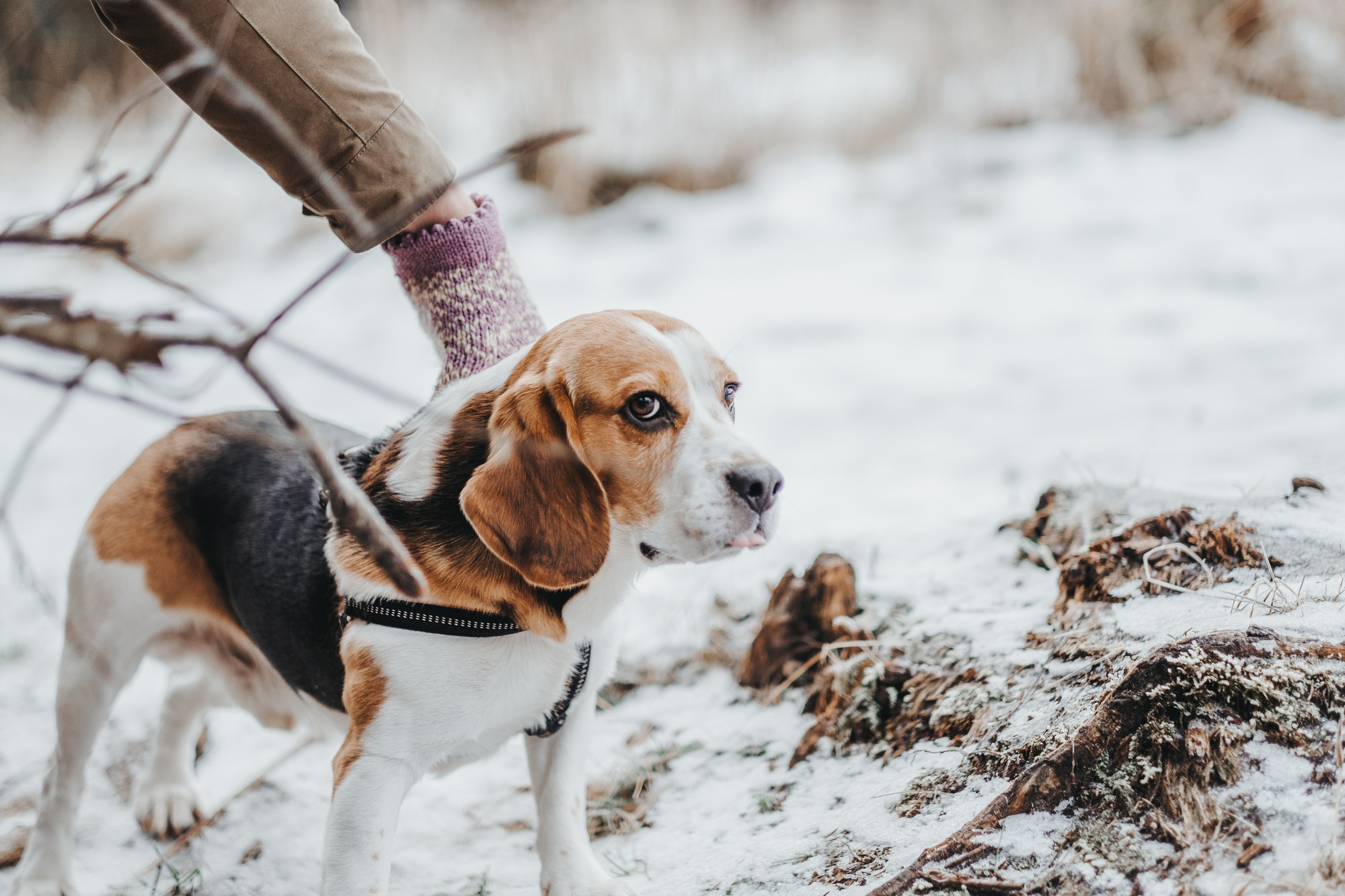
Winter doesn’t roll into Ottawa politely. It drops into the city like a wet mattress — suddenly, heavily, and with a bit of attitude. And when the first storm hits, Ottawa winter dog behaviour shifts overnight in a way you and your dog both feel.
Last week, when that first storm hit, our phone was buzzing non-stop.
(Okay — technically it was on vibrate… but buzz buzz buzz.)
Everyone was saying the same thing:
- “My dog is acting weird.”
- “He’s pacing.”
- “She won’t settle.”
- “What’s going on?”
What’s going on is simple:
Your dog’s entire world just changed overnight — and they had zero warning.
You saw the weather alerts. Your dog did not.
Why Dogs Get Weird When Winter Arrives
Picture this from a dog’s perspective:
- The familiar map of neighbourhood smells is wiped clean by snow
- The world is suddenly bright and reflective
- The temperature snaps
- Daylight disappears before lunch is over
- Birds and squirrels go into hyper-mode then vanish at 4pm
- Every sound is louder
- Every shadow is different
Winter isn’t just weather. It’s a full sensory reset — and your dog’s stress gauge jumps from Green → Yellow → Red before you’ve even zipped your coat.
How to Get Your Dog Through the First Week of Winter
Step 1: Build calm before you even call your dog
Never call the dog until you’re 100% ready to leave. Dogs read fumbling as anxiety.
Get all dog gear ready first (leash, jacket, boots, paw balm, light), then your own stuff. Only then call the dog. This tiny bit of predictability drops their arousal dramatically.
Step 2: The first winter walk is NOT exercise
Forget the usual loop. This walk is a change-management session.
Your only goals: Slow. Calm. Positive. Sniffy.
- Let them explore and gather data
- Mark calm behaviour with a quiet “Good”
- Keep it 25–30 minutes max
If all you accomplished was finding a new pee and poop spot while staying mostly in the Green Zone — that was a perfect first winter walk.
Step 3: Know what actually scares them
- Snow plows = roaring dragons with glowing eyes
- Snow blowers = smaller, louder dragons
- Snowmen = silent strangers who appeared overnight
- Sledding kids = fast, squealing torpedoes
- Wind gusts = invisible smell missiles to the face
It’s not drama. It’s a mammal reacting to a transformed world.
Step 4: Week-one mantra
- Reward every calm choice
- Generous sniff breaks (they’re rebuilding their mental map)
- Walk beside or slightly behind you
- Gentle “Hey!” if they start spiralling
Step 5: Lower your expectations (temporarily)
Your dog isn’t misbehaving — they’re adapting to new light, temperature, footing, sounds, wildlife patterns, and your own winter energy.
Go in with a training mindset instead of an impatience mindset and winter becomes bonding instead of battle.
Winter isn’t the problem — the surprise is.
You knew the storm was coming.
Your dog didn’t.
Help them relearn their world — slowly, calmly, with structure, and with you confidently leading the way.