
Puppy Biting in Ottawa: The Calm, Clear Way to Stop It | BetterDog.ca
· BetterDog
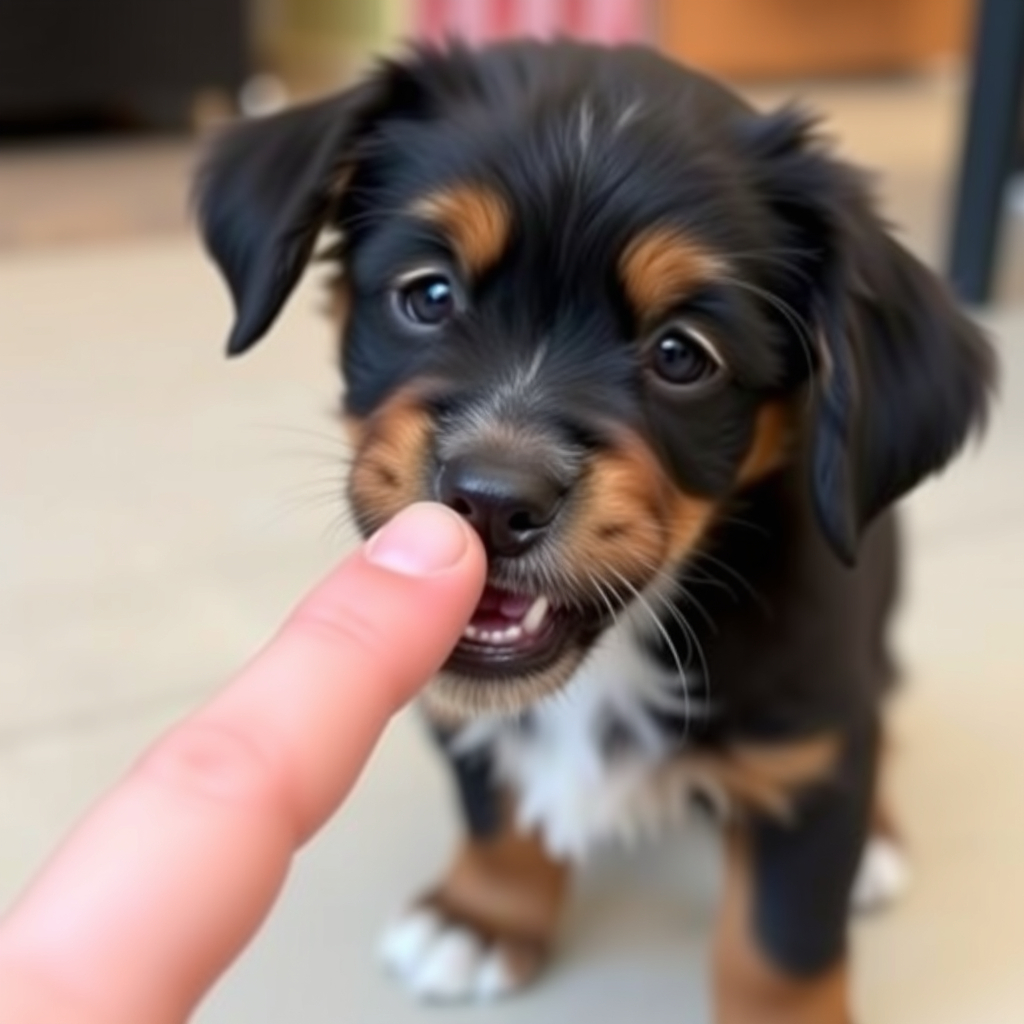
If you’re raising a puppy in Ottawa and getting bitten daily, let’s slow this down and get honest:
Your puppy isn’t aggressive. But if this isn’t handled properly, you can accidentally create a bigger problem.
We see this constantly — downtown condos, Kanata townhomes, family homes across Orleans and Barrhaven. Torn sleeves. Bruised ankles. Kids starting to hesitate around the dog. Owners worried they’ve already messed it up.
You haven’t. But how you respond now matters more than how often it’s happening.
Puppy biting is normal. Allowing it to continue is optional.
Why Puppies Bite Humans (The Part Most Advice Misses)
Puppies bite because:
- Mouths are their hands
- They’re over-stimulated and under-guided
- They’re treating you like a peer puppy
- The behaviour gets a reaction — so it works
BetterDog lens: this is a Stress Gauge issue.
Most biting puppies live in Yellow or Red Zone — too excited, too tired, too free. When the nervous system overloads, the thinking brain shuts down and teeth take over.
This isn’t defiance. It’s dysregulation. And dysregulation needs clarity, not chaos.
The Biggest Mistake: Redirecting the Bite
You’ll often hear advice like: “Just give them a toy.”
Here’s the problem: if biting leads to something pleasant, your puppy’s brain learns:
“Biting humans works.”
That association sticks.
Biting must always end interaction.
No toys. No play. No attention.
This is exactly how a mother dog teaches her puppies — and it’s why it works.
The BetterDog Puppy Biting Protocol (This Is What Actually Stops It)
Step 1: One Tooth Touches Skin → Emotional Marker
The instant teeth touch you: sharp, fast: “HEY.”
You are allowed to sound angry. You should let your emotion be known.
What matters is that it’s quick, clean, and over immediately.
This isn’t yelling. This isn’t a lecture. This isn’t emotional dumping.
This is Emotional Marking — clear, honest information that tells your puppy:
“That behaviour crossed a line.”
You give the information… then you stop. That pause is what allows the dog to process and make a decision.
Step 2: Stand Up and Kill the Fun
Immediately after the marker:
- Stand up
- Turn away
- Arms still
- No talking
- No eye contact
You are removing all social value.
Puppies bite peers because peers react. You are teaching: “I am not a peer.”
Step 3: Silence Until Calm
Now you wait.
No movement. No sound. No interaction.
When you see even 3 seconds of calm — mouth closed, body softening — quietly say:
“Good dog.”
Then walk away.
Not affection. Not excitement. Just information.
Calm = access to you. Teeth = social shutdown. That cause → effect loop is dog-training physics.
Are You “Killing the Fun”?
Yes. On purpose.
And you need the ability to kill fun before:
- A child gets bitten
- A guest gets nipped
- The behaviour becomes a habit
- Someone else corrects your dog emotionally or physically
This isn’t punishment. It’s leadership. Dogs don’t need endless fun — they need predictable boundaries.
What If the Puppy Doesn’t Stop?
That’s not stubbornness. That’s adrenaline.
The dog is too aroused to think.
Escalation Protocol
- Leash goes on (or already is on)
- Calm walk away from the action
- To a crate, bed, or quiet zone — away from stimulation
If needed:
- Sit nearby
- Leash length = arm’s length
- No talking
- No touching
You are lending calm through presence, not affection.
This teaches: “I calm faster when you’re near.”
When Does This Start Working?
With repetition, your puppy learns:
- Biting = interaction ends
- Calm = quiet approval
- Energy only comes out by invitation
- Humans are leaders, not littermates
Once your puppy stops biting after the first attempt, you no longer have “a biter.”
Only then can you invite structured play that does not include mouths — and still ends instantly if teeth touch skin. Exactly how a mother dog would do it.
Important Caveat: Biting Means Energy Exists
Puppy biting is information.
It often means:
- There is energy to burn
- There is a need for exercise or stimulation
You don’t have to satisfy that need on demand.
But you do need to:
- Acknowledge it
- Schedule appropriate outlets
- Separate exercise from social boundaries
Energy is invited. Calm is required.
“I tolerate nothing but calm in my presence.”
Need Help With Puppy Biting in Ottawa?
This is one of the most common issues we resolve in a single in-home session across Ottawa–Gatineau.
Timing, body language, and setup matter — and seeing it once usually changes everything.
Book an in-home session with BetterDog and we’ll help you shut this down calmly, safely, and without creating new problems.
Final note: your dog doesn’t need you to be emotionless. They need you to be clear — and then predictable.