
Why Dogs Jump on the Couch When You're Not Home - And how to fix it
· BetterDog
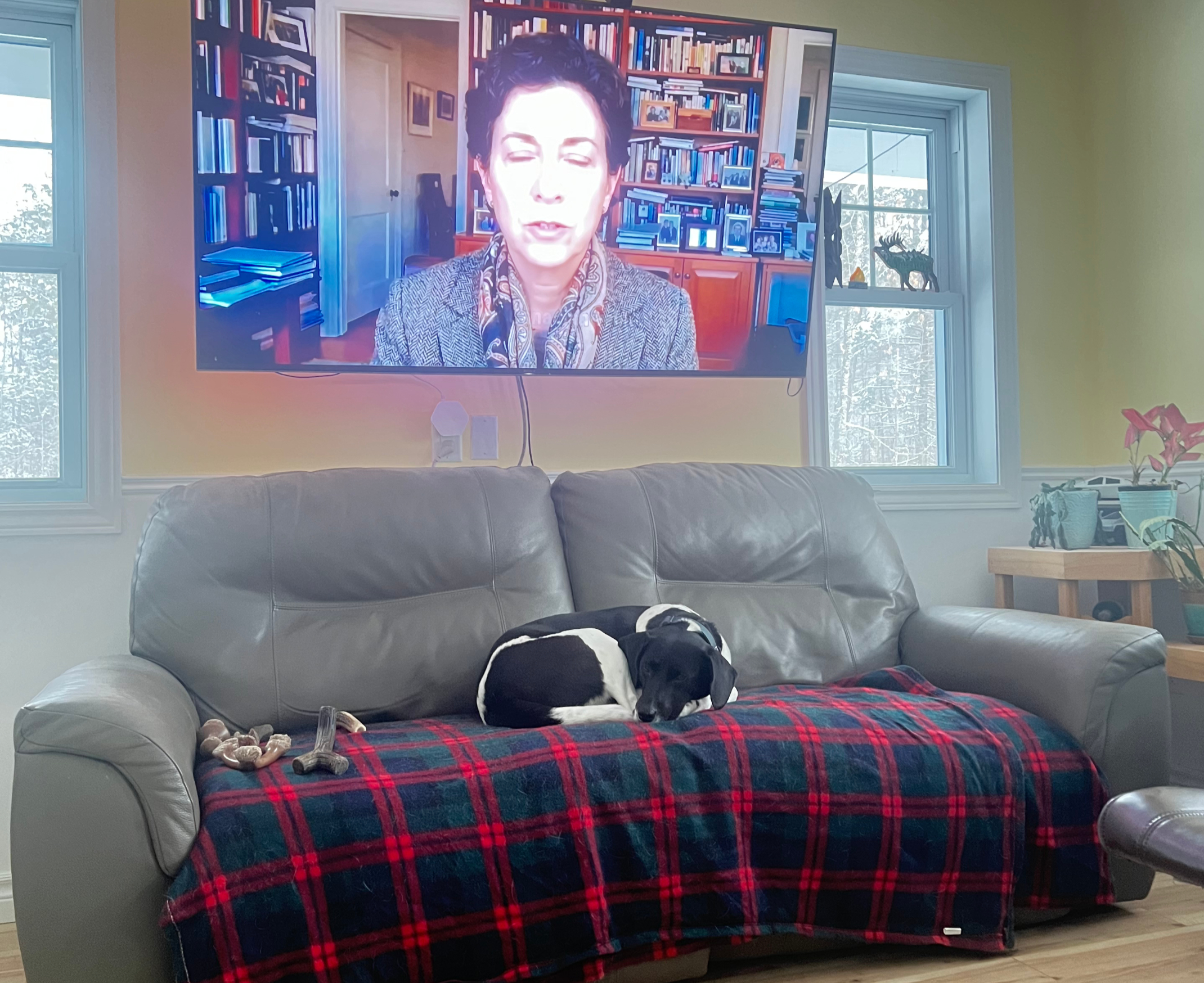
Why Dogs Jump on the Couch When You’re Not Home (And How to Fix It)
Your dog behaves when you’re watching — then steals the best cushion the second you leave. This is an association problem (not an obedience problem), and the fix is simple: the boundary has to exist even when you’re not in the room.
Dug the bulldog knows the rule. When his dog mom is around, the couch is “off.” The moment she’s not looking? He’s up there like it’s a reserved seat.
Why this happens
Dogs don’t follow “rules.” They follow patterns that have worked.
- When you’re present: couch = correction, floor = calm.
- When you’re gone: couch = comfort, no consequence.
So from your dog’s point of view, there are basically two couches. Same furniture. Different outcome.
The real goal
The goal isn’t “my dog stays off the couch when I’m home.” That part is easy.
The goal is respect when you’re not there. That means the couch itself needs to deliver feedback — calmly, immediately, and consistently.
Training lesson: stop couch jumping when you’re not home
Step 1 — Set the environment (no speeches)
Before you leave the house:
- Place lightweight aluminum camping plates loosely on the couch cushions.
- Don’t say anything. Don’t stare at your dog. No warning.
Amazon link (plates): https://a.co/d/03slNbOU
Why: We’re building a new pattern, not negotiating a rule.
Step 2 — Let the couch do the correcting
When your dog jumps up, the plates slide and clatter to the floor. That racket creates an immediate negative association: couch = annoying and unpredictable.
This is not about fear. It’s a clean interruption — a brief “whoa” moment that delivers information.
Step 3 — Emotional marking (timing matters)
When you hear the noise and re-enter, use one calm, sharp marker:
Dogs don’t rationalize “I got caught.” They feel “this whole situation was unpleasant.”
Step 4 — Reward the right choice
- The moment your dog has four paws on the floor — praise.
- If they go to their bed — praise more. That’s the jackpot.
New emotional math: couch = annoying, floor = relief, bed = safety.
But I still want couch cuddles sometimes
Perfect. Keep it — just make it invitation-only.
When you invite your dog up, the couch becomes a reward (positive association with you). When your dog self-invites, the couch becomes… annoying.
Dogs understand that instantly. Humans are the ones who overcomplicate it.
How long does this take?
Often a couple of weeks of consistent repetition. Once your dog reliably avoids the couch when you’re gone, remove the plates. The association usually sticks.
Common mistakes
- Yelling after the fact (too late — the moment is gone).
- Turning the plates into a big ritual (it becomes a game).
- Leaving them permanently (we want learning, not permanent management).
- Feeling guilty about boundaries (structure lowers stress).
Quick safety note (read this)
If you have a dog that is sensitive to noise, this could work too well. Work with your trainer to make this appropriate to your dog.
The bigger picture
This same principle works for counters, beds, doorways, and “my dog only does it when I’m not looking” problems. Structure doesn’t make dogs anxious. Inconsistency does.
Want more training lessons? Browse the BetterDog blog here: BetterDog Blogs
At-a-glance lesson
Sharp, calm, immediate. It’s a stop sign — not a lecture.
Success looks like:
- Your dog pauses before jumping up.
- Your dog chooses the floor or their bed.
- You stop “policing” and start inviting.
Want us to fix the whole house?
Furniture, doorways, barking, leash issues — we do this in real homes, in Ottawa–Gatineau.
Book a Life Changer Session → View pricing →