
Teaching "Place": How to Get a Dog to Actually Settle
· BetterDog
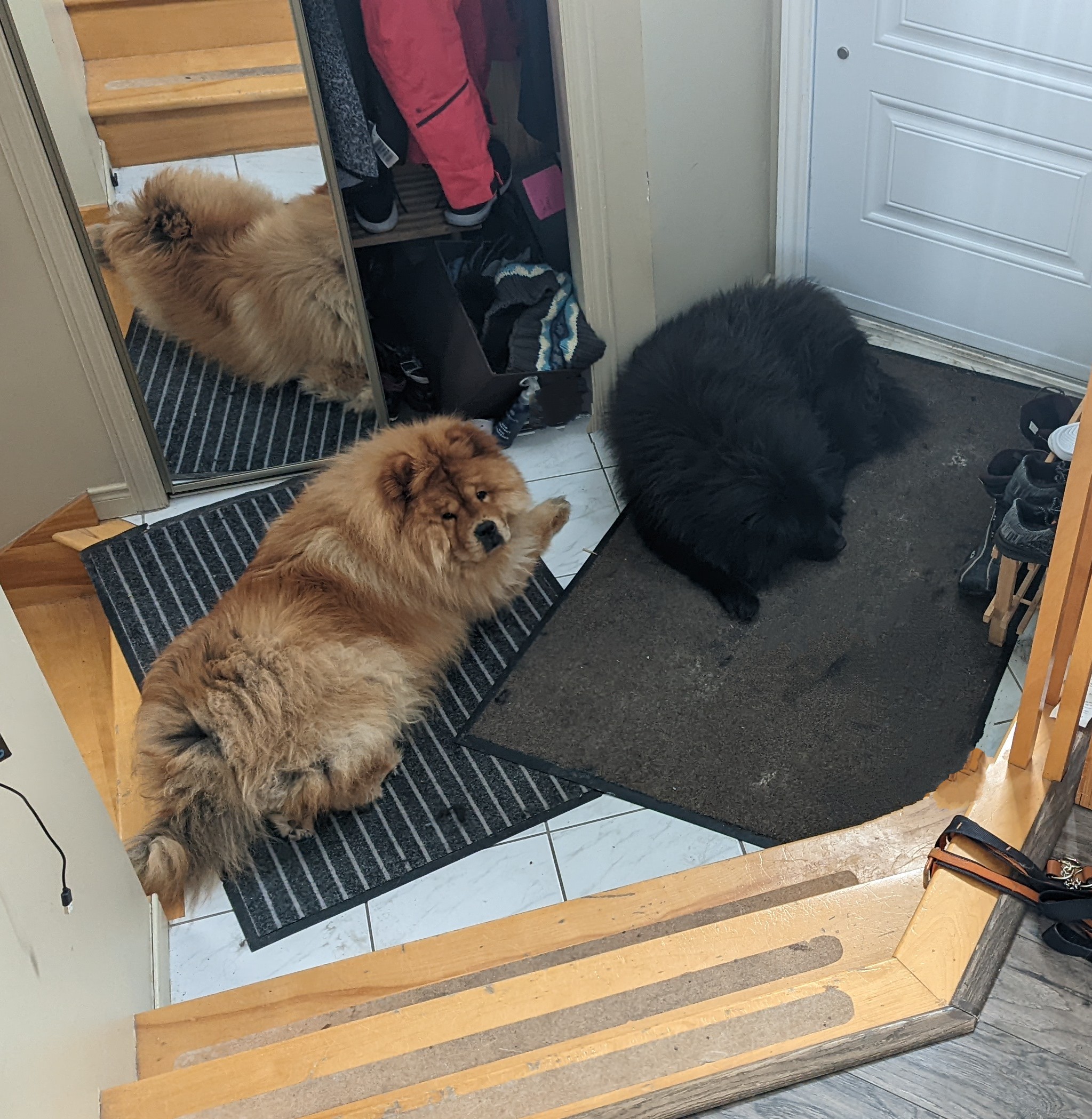
Some dogs have no off switch — pacing, hovering, underfoot, wired from morning to night. The 'place' command is the fix: a single spot where your dog learns to settle their whole nervous system. BetterDog's step-by-step guide to teaching place in your Ottawa-Gatineau home, and why it quietly changes everything.
If your dog never seems to power down — pacing the kitchen, following you room to room, up at every sound — they're not being difficult. They've just never been taught how to stop.
"Place" is the single most useful thing most owners have never trained. It's a designated spot — a mat, a bed, a cot — where your dog goes to settle and stays settled until you release them. Not a punishment. Not a stay. A genuine off switch for a busy brain. Once a dog truly understands place, the whole house gets calmer.
What "place" actually is (and isn't)
A stay is a command to hold a position. Place is something deeper — it's a state. You're not asking your dog to freeze; you're asking them to decompress. To lie down, exhale, and let their nervous system come down a few gears, in a spot that means "you're off duty now."
That distinction matters. A dog white-knuckling a stay is still tense, still working. A dog who has learned place actually relaxes — the breathing slows, the muscles soften, the eyes go heavy. That's the goal: not stillness, but settle.
Why it works on the nervous system
Dogs, like people, build associations with locations. Train it well and the mat itself starts to carry calm — your dog steps onto it and their body begins down-regulating before you've said another word, the way your own shoulders drop when you finally sink into your own bed.
This is structured parenthood in its simplest form: you've given your dog a clear, safe answer to the question "what do I do with myself right now?" A dog who knows the answer stops inventing anxious ones.
How to teach it, step by step
Build it in layers. Don't rush to the next one until the current one is easy.
- 1 Make the spot rewarding. Guide your dog onto the mat, and the moment four paws are on it, mark it warmly: "Good Dog." Let them step off, repeat. The mat becomes the thing that pays.
- 2 Add a release word. Pick one word — "free," "okay," "break." Place only ends when you say it. This is what separates a real settle from a dog who drifts off whenever.
- 3 Build duration. Seconds, then a minute, then five. Reward the calm, not just the arrival. You want to pay the dog for staying soft.
- 4 Add distance. Step away one pace, return, reward. Slowly grow how far you can move while they hold the settle.
- 5 Add distraction. Only once the rest is solid — the doorbell, the dropped food, the other dog. This is where place earns its keep.
The mistakes that break it
- →Using place as a punishment. The second the mat means "you're in trouble," your dog stops wanting to go there. Place is a good place.
- →Skipping the release word. No clear end means your dog decides when it's over — which means they never really learned it.
- →Going too big too fast. Asking for ten minutes through a doorbell on day two sets you both up to fail. Layers, not leaps.
- →An uncomfortable spot. Cold tile or a busy hallway won't invite a settle. Make the spot genuinely cozy and slightly out of the traffic.
Where it changes your life
Place is the quiet backbone behind a dozen problems people pay to fix separately. The dog who mobbed guests now settles on their mat when the doorbell rings. The dog who begged and circled the table now has somewhere to be at dinner. And the dog who couldn't handle a café patio has a portable off switch you can roll out anywhere.
One command, taught properly, replaces a lot of nagging.
A real Ottawa living room
One family in Barrhaven had a young dog who treated the house like a racetrack — no setting lower than full speed, underfoot at every meal, frantic the moment the doorbell went. They didn't need a dozen commands. They needed one.
We built place over a couple of weeks, layer by layer. By the end, the dog had a cot in the corner of the kitchen and a release word, and dinners went from chaos to a dog quietly chewing on their spot. Same dog. They'd just finally been handed an answer to "what do I do with myself?"
Why this works
An anxious, busy dog is a dog with no instructions and too many decisions. Every noise, every movement, every meal is theirs to react to. That's exhausting, and it never lets up.
Place hands them a clear, repeatable answer and a spot that means safe. Give a busy brain somewhere to land, and it finally stops circling.
FAQ
How is place different from "stay" or the crate?
Stay holds a position; place builds a relaxed state. The crate is a closed space; place is an open spot your dog chooses to hold. Place travels, too — the same skill works at home, at a friend's, or on a patio.
How long does it take to teach?
Most dogs grasp the basics in a week or two of short daily reps. Rock-solid place that holds through a doorbell or a dropped plate takes longer — but the early version is useful almost immediately.
Can an older or high-energy dog learn it?
Yes to both. High-energy dogs often need place the most — it teaches the down-regulation they never built on their own. Age isn't a barrier; consistency is the only requirement.
What kind of mat or bed should I use?
Something with a clear edge your dog can feel — a defined cot or a firm mat works better than a vague pile of blankets. The boundary helps them understand exactly where "on" and "off" are.
Do This Today
Run one short layer-one session. That's the whole foundation:
- →Put a defined mat or cot in a calm corner.
- →Guide your dog on; the moment four paws land, "Good Dog."
- →Let them step off. Repeat ten times.
- →Pick your release word and use it every single time.
- →Stop while it's still fun. Two minutes is plenty.
You've just planted the seed of the most useful command in your house.
Want a dog with an off switch?
We'll build place with you, in the rooms where you actually need it — right in your own home.