The Belly Rub Tax: A Real Canine Expectation or a Misread Signal?
· BetterDog
Watch video: The Belly Rub Tax: Are You Misreading Your Dog’s Signals?
Does Your Dog Really Want Belly Rubs? (Or are you misreading a submissive signal?)
Belly-up can mean “rub please” or “I’m uncomfortable.” Here’s the difference—plus a simple test you can do in 10 seconds.
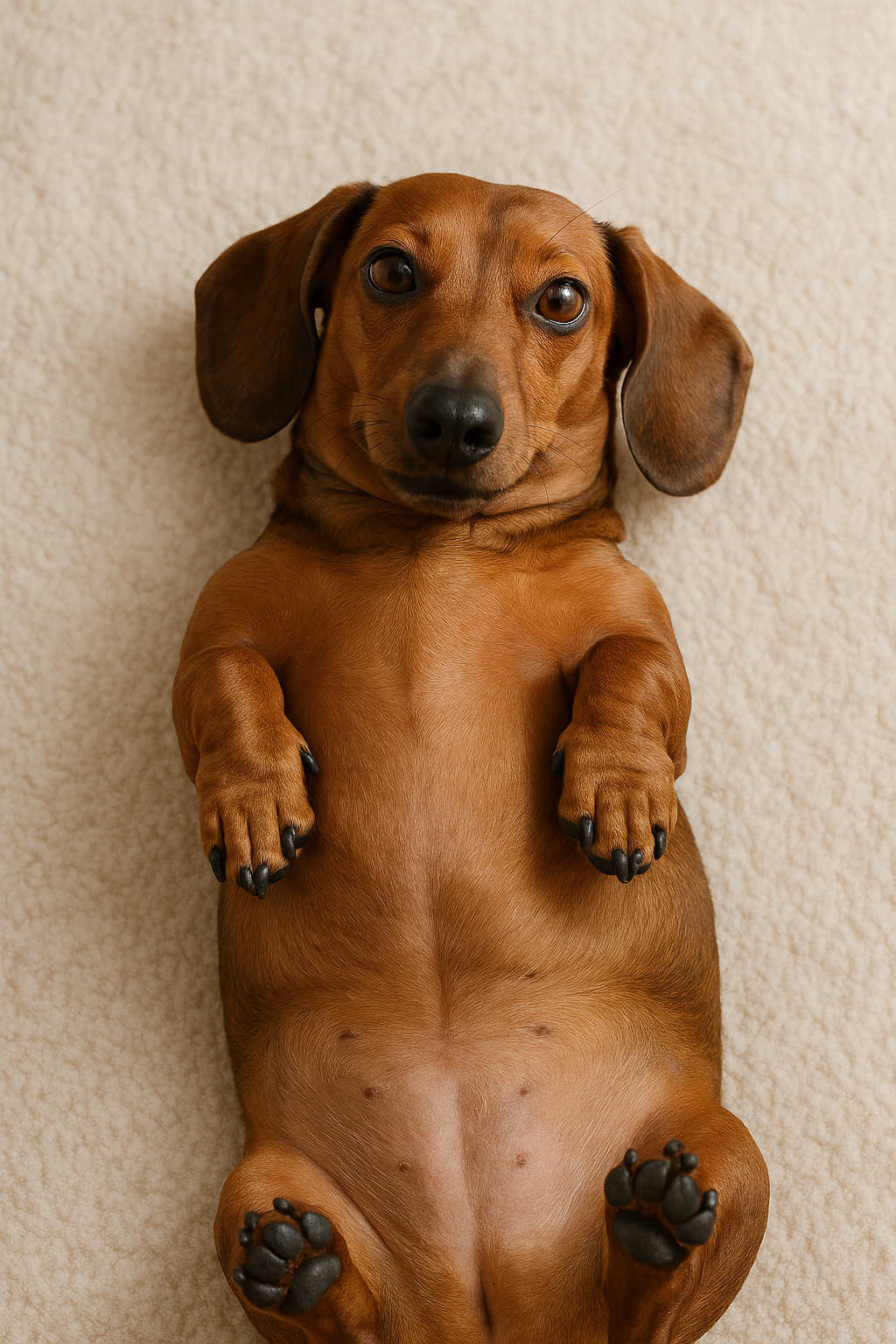
If you’ve spent enough time around dogs, you’ve likely encountered the infamous “Belly Rub Tax” — the idea that when a dog rolls over and exposes their belly, you’re contractually obligated to pay the toll in scratches and rubs.
But here’s the uncomfortable question: are you being kind when you reach in… or are you crowding a dog who’s actually asking you to back off?
Why Dogs Roll Onto Their Backs
When a dog exposes their belly, it generally falls into two buckets:
- Relaxed trust + invitation (a genuine “come love me” moment)
- Submissive appeasement (a “please don’t escalate this” signal)
The belly isn’t the message. The whole body is the message.
✅ When It’s a Real Invitation for Belly Rubs
If a dog is truly asking for affection, their body tends to look like it’s made of warm Jell-O.
Look for: loose + wiggly
- Soft eyes
- Relaxed muscles (no “freeze”)
- Tail moving naturally
- They stay relaxed when you reach in — or lean into the rub
- They may nudge your hand or paw at you like, “yep, right there”
In BetterDog language, this is a dog in the Green Zone — calm, thinking, safe.
❌ When It’s Submissive Appeasement (Not an Invitation)
Here’s where humans mess this up. Dog rolls over. We see belly. We think jackpot.
But if the body is stiff and the dog looks worried, that roll can be a conflict-avoidance move — not affection.
Watch for: stiff + still
- Frozen posture (little to no movement)
- Wide, worried eyes (sometimes showing the whites — “whale eye”)
- Avoiding eye contact / trying to look smaller
- Lip licking, yawning, trembling
Think of it like this: some dogs roll over the way a polite Canadian says “sorry” when you bump into them. It’s not a request. It’s de-escalation.
Ottawa Reality Check
We see this constantly in Ottawa–Gatineau homes: doorbell chaos, window barking, the Amazon driver stomping up the front steps in winter boots — and then the dog flips belly-up the moment you correct them.
A lot of owners interpret that as “aww, they’re sorry” and immediately go in for belly rubs. But many times the dog is actually saying, “okay okay, please don’t be mad.”
When you pause and let them reset, you’ll often see them soften — and then they’ll choose to come for affection. That choice matters.
How to Tell If Your Dog Actually Wants a Belly Rub (Without Guessing)
Step 1 — Pause for 2–3 seconds
No touching. Just observe. Muscles, eyes, breathing, movement.
Step 2 — Invite instead of assuming
Crouch a few feet away and call them over.
- If they stay belly-up and frozen: give space.
- If they pop up and come happily: you’ve got a willing participant.
- If they roll again after coming over — loose and wiggly: now you can engage.
The Psychology Behind Belly Exposure
Dogs don’t rationalize like humans. They learn through association and emotion. Emotion → outcome → repetition.
If rolling over has successfully reduced pressure in the past, they’ll repeat it — even if it looks like “cute belly time” to us.
That’s why the golden rule isn’t “belly means rub.” It’s: read the full body, then decide.
Is the Belly Rub Tax Real?
Sometimes… yes. Some dogs absolutely believe belly rubs are a debt you can never fully repay.
If your dog aggressively flops at your feet, blocks your path, or nudges your hands like a pushy toddler — that’s usually not bullying. It’s reinforcement. You paid the tax enough times that the government expanded.
Signs You’ve Been Trained
- Every belly flop gets instant attention
- They shove under your hand whenever you sit down
- They protest (or growl) when you stop
How to Stop Being a Belly Rub ATM
You don’t need to “withhold love.” You just need to stop rewarding pushy demand behaviour. Attention should be an invitation — not a right.
Make belly rubs a bonus, not a guarantee
- Sometimes engage, sometimes don’t.
- Call them over first instead of paying immediately.
- Reward calm, not insistence.
Ignore pushy behaviour (calmly)
- If they wedge under your hands, pause.
- Wait for them to settle.
- Then invite them over on your terms.
“But My Dog Growls When I Stop Petting…”
Common. And usually not a belly-rub problem — it’s a boundary problem.
If growling makes petting continue, the dog learns: “escalation works.” That’s how the behaviour gets stronger.
The fix is calm structure: end petting before they get pushy, and invite affection on your terms so attention becomes a reward.
Do This Today
The 10-second belly test
- Pause for 2–3 seconds.
- Observe: loose vs stiff.
- Invite: call them over.
- Engage only if they re-engage willingly.
Sticky phrase: Loose + wiggly = yes. Stiff + still = no.
Frequently Asked Questions
Why does my dog roll over when I approach?
It can be relaxed trust or submissive appeasement. Look at muscle tension, eye softness, and movement. Relaxed dogs often wiggle and re-engage. Stressed dogs often freeze and avoid contact.
Is it bad to rub a dog’s belly?
Not at all—if your dog is relaxed and inviting it. The risk is rubbing when the dog is stiff and worried, which can feel like pressure instead of comfort.
Why does my dog growl when I stop petting?
Usually because growling has worked to keep the attention going. Calm boundaries and invitation-only affection resets that pattern without creating conflict.
Do all dogs like belly rubs?
No. Some love them, some tolerate them, and some use belly exposure as a defensive/appeasement signal. The same dog can also feel different day-to-day depending on stress.
Is belly exposure a sign of dominance?
Typically no. Belly exposure is most often submissive, affiliative, or appeasing—not dominance. Focus on the whole dog and the situation.
When It’s Time for Help
If your dog’s signals feel confusing — especially around affection, doorbells, visitors, or reactivity — this is exactly what we help with in-home. Real environment. Real patterns. Real clarity.
Quick Read: Belly Rub Check
Stiff + frozen = appeasement / stress
Do This Today
1) Pause 2 seconds
2) Observe tension
3) Invite them over
4) Engage only if they re-engage
Ottawa–Gatineau Next Steps
Want help reading your dog’s signals? We do this in the real environment — your home, your neighbourhood, your routine.
Book a Life Changer Session → Read Reviews →Useful Links
Two Real Client Notes
If your dog’s “belly up” moment feels tense, don’t guess. Pause, observe, invite. That one habit changes a lot.